What bussin means
It is a compliment: “this pizza is bussin” means it is delicious. It stretches to anything great — music, outfits, vibes — but food is home. The doubled form “bussin bussin” means extra good. It often pairs with “no cap” for emphasis (“this is bussin, no cap”).
Tone is sincere by default. Unlike many words in this site, bussin is still mostly used to mean what it says.
- 1“This is good”
- 2“This is bussin”
- 3“This is bussin bussin”
- 4“This is bussin, no cap” (you are now on a food-review channel)
Where it came from
Bussin comes from African American Vernacular English, possibly an alteration of “burst” or “bust” (Dictionary.com calls the origin disputed). It was used in Black communities well before it trended online.
It broke out around 2020–2021 via viral videos — especially dramatic food-tasting reactions on TikTok, where a creator takes one bite, pauses, and declares it bussin. As with several viral terms, it is worth recognising its AAVE roots rather than treating it as a word that appeared from nowhere.
When it was first seen
- Before 2020: in everyday AAVE use; dictionaries and slang glossaries record it as established Black American slang.
- 2020–2021: the TikTok food-reaction boom carries it to a global audience; “bussin” becomes a caption, a hashtag and a chant.
- 2021 onward: Merriam-Webster and mainstream slang guides cover it as a defining Gen Z term.
How it spread
The vector was the food video. Reaction content needs a verdict word, and “bussin” is a better verdict than “delicious” because it sounds like the reaction it describes. Restaurants started using it in captions, which is how a word crosses from users to businesses.
It then travelled with “no cap” as a pair, because both are AAVE, both are emphatic, and they sit naturally in one sentence.
Variations
Bussin bussin: the intensifier by repetition. Bussin, no cap: the standard pairing. The word widened from food to anything excellent, and in some corners narrowed back again as the food-review cliché.
Is it still in use?
Bussin is understood everywhere but is past its freshest. The tells: it is now a restaurant-marketing word, it appears in parody food reviews more than real ones, and younger speakers have newer words for the same reaction.
Our read: fading — still fine, but say it about food, and mean it.
Similar words
 Cap / No cap
 Gyatt
 GOATed
 Slay
 Drip
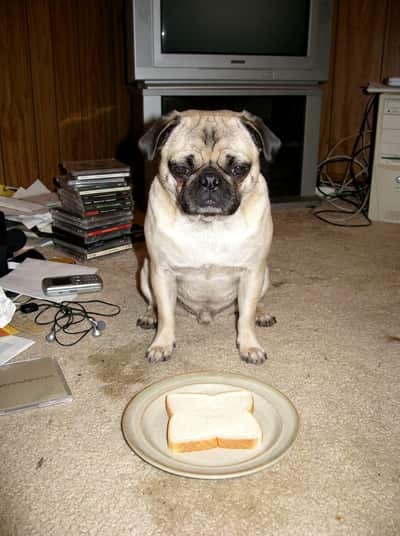 Mid
Questions people ask
What does bussin mean?
Bussin means something is very good — most commonly delicious food, but also music, outfits or vibes. ‘This is bussin’ means ‘this is excellent’.
Where does bussin come from?
It originates in African American Vernacular English (AAVE) and was used in Black communities before going viral on TikTok around 2020–2021, largely through food-reaction videos.
What does ‘bussin bussin’ mean?
Doubling it up — ‘bussin bussin’ — intensifies the praise: it means something is extra good, not just good.
Sources
- Merriam-Webster, “bussin’”
- Wikipedia, “Glossary of 2020s slang”en.wikipedia.org
- 7ESL, bussin explainer
- Gabb, parents’ guide to bussin
Checked 22 Oct 2026. The “still in use” verdict is our editorial read, updated by hand, from the Ask page. Spotted an error? Tell us and we will fix it.
Cite this page
Phylum Digital. “What does bussin mean?” https://phylumdigital.com/meme-bussin.html. Checked 22 October 2026.
More formats and embed code
Phylum Digital. (2026). What does bussin mean? https://phylumdigital.com/meme-bussin.html
“What does bussin mean?” Phylum Digital, 22 October 2026, phylumdigital.com/meme-bussin.html.
<iframe src="https://phylumdigital.com/embed.html?s=bussin" width="100%" height="130" style="border:0;border-radius:16px" loading="lazy" title="Bussin — Phylum Digital"></iframe>